You walk into your bedroom after a long day. The bed is right there. So you flop down, scroll your phone for an hour, and feel worse than before.
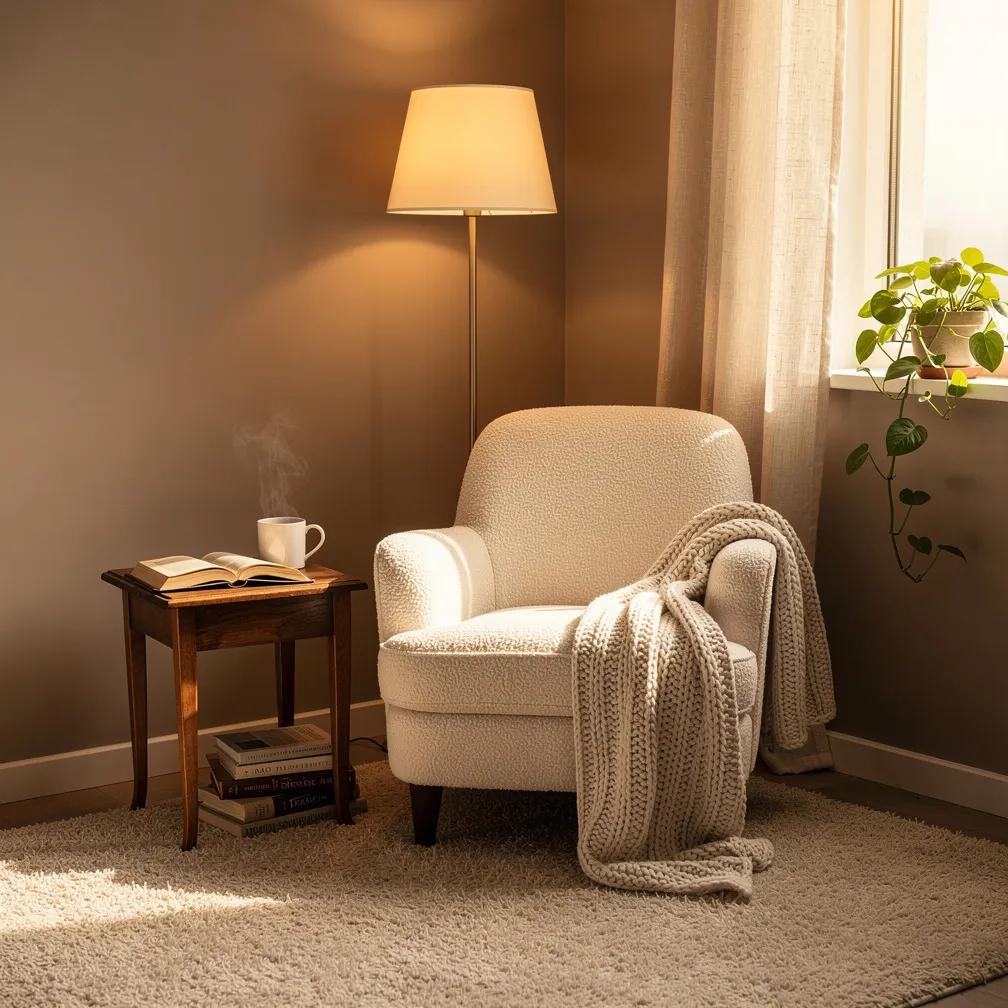
What if there was a different spot in your room? A small corner. One soft chair. A warm lamp. A blanket. A book waiting for you.
That spot is called a reading nook. And here’s the best part: you don’t need a big house, a budget, or any DIY skills to build one.
This guide walks you through exactly how to create a reading nook in your bedroom. It works in tiny rooms, rentals, and rooms that are already full of furniture. By the end, you’ll know which corner to pick, which chair to buy (or grab from another room), and the lighting trick that makes everything feel like a hotel suite.
Let’s get into it.
Why a Reading Nook Belongs in Your Bedroom (Not Anywhere Else)
Living rooms are loud. Kitchens smell like dinner. The dining table is for laptops.
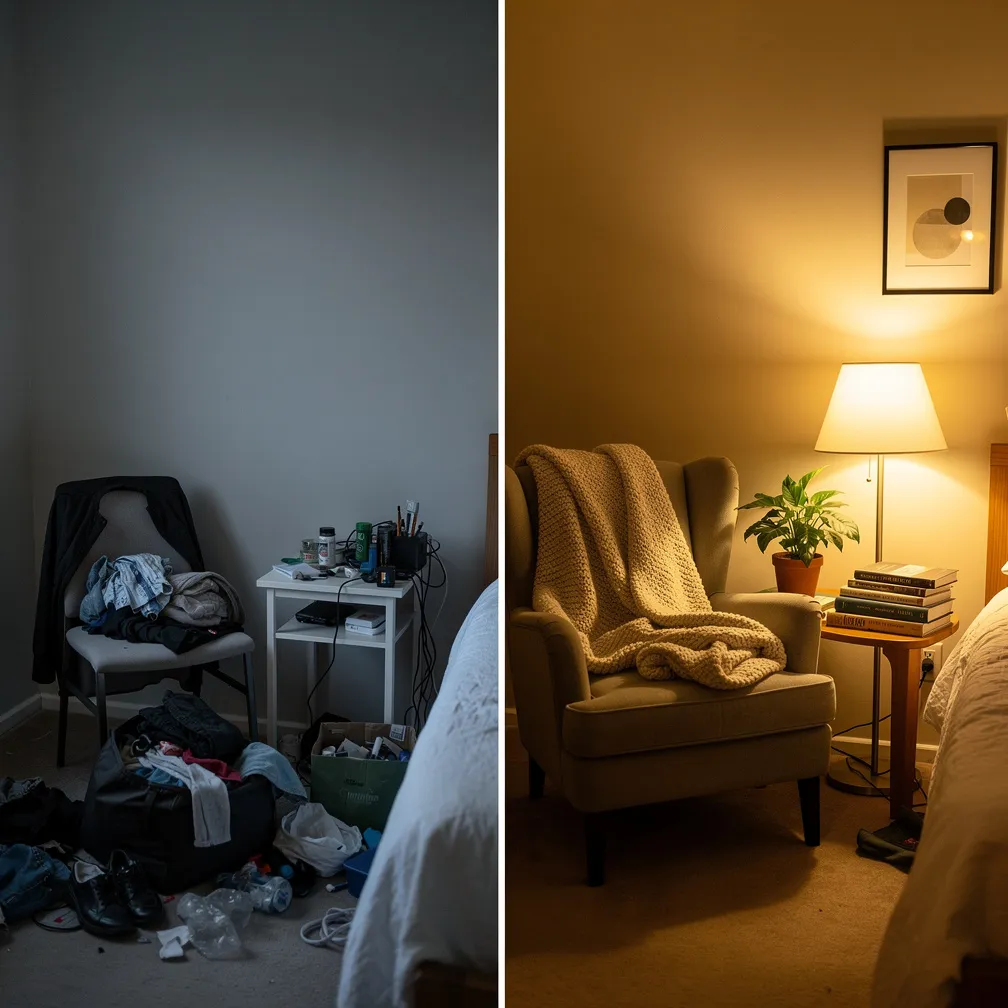
The bedroom is the one room people protect. It’s quiet. The door closes. And you already go there to wind down. A reading nook in your bedroom turns that wind-down time into something better than scrolling.
A few things happen once you build one:
- You read more. Even 10 minutes a day adds up to a book a month.
- You sleep faster. Reading before bed is one of the most recommended habits from sleep experts.
- Your bedroom feels bigger. A second “zone” in a room makes it look more thought out, even if the room is small.
- You stop sitting on the bed all evening. That alone helps your brain treat the bed as a sleep spot, not a hangout spot.
Step 1: Pick the Right Corner (Most People Pick Wrong)
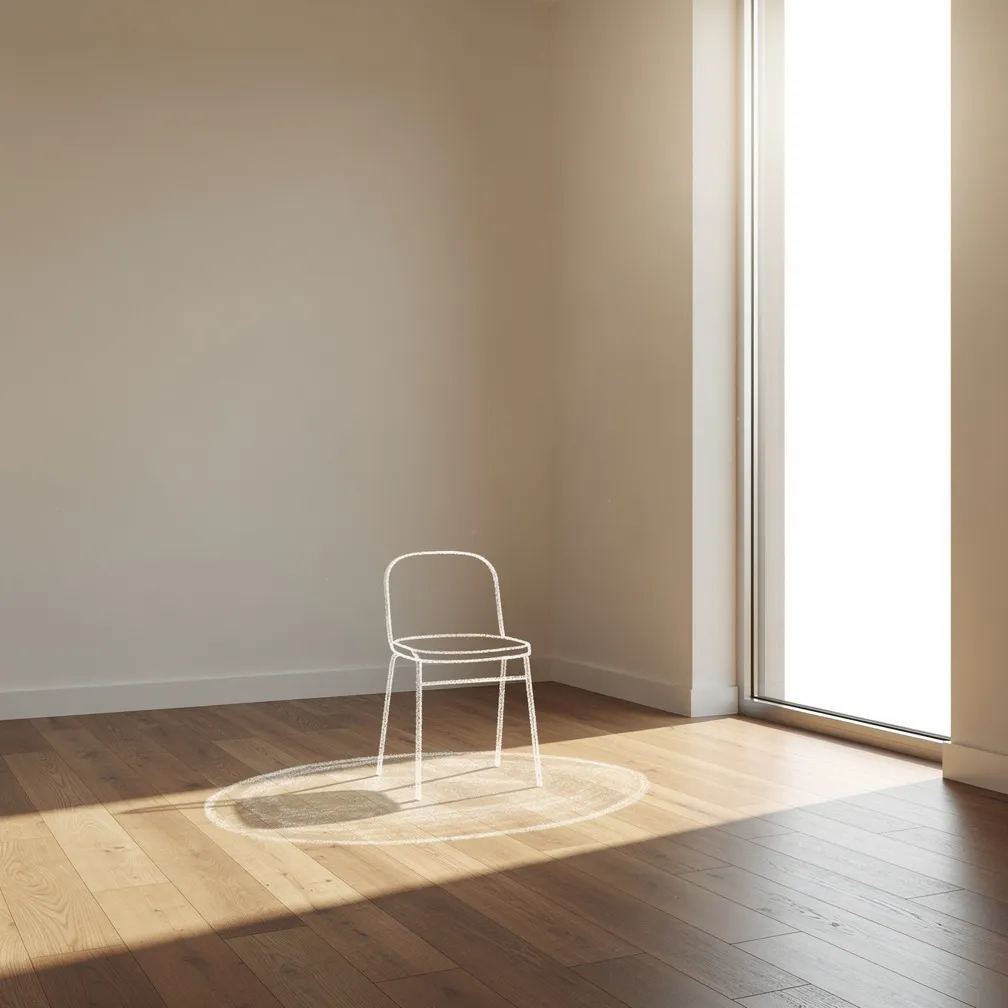
The biggest mistake people make is choosing the corner that looks cute, not the corner that works.
Here’s what a good reading nook corner has:
- Some natural light. A window helps but isn’t required. Even a bright wall near a window works.
- An outlet within 6 feet. You need a lamp. Extension cords work, but plan for it.
- Away from the door. You don’t want to feel like people are walking past you.
- At least 4 feet by 4 feet of floor space. Smaller works, but this is the sweet spot for one chair plus a side table.
Walk into your bedroom right now and look at each corner. Pick the one that already gets the most light during the day. That’s your spot.
Quick win: Don’t have a corner free? Look at the foot of your bed. A small chair facing the window at the foot of the bed counts as a nook.
Step 2: Clear Out the Clutter First
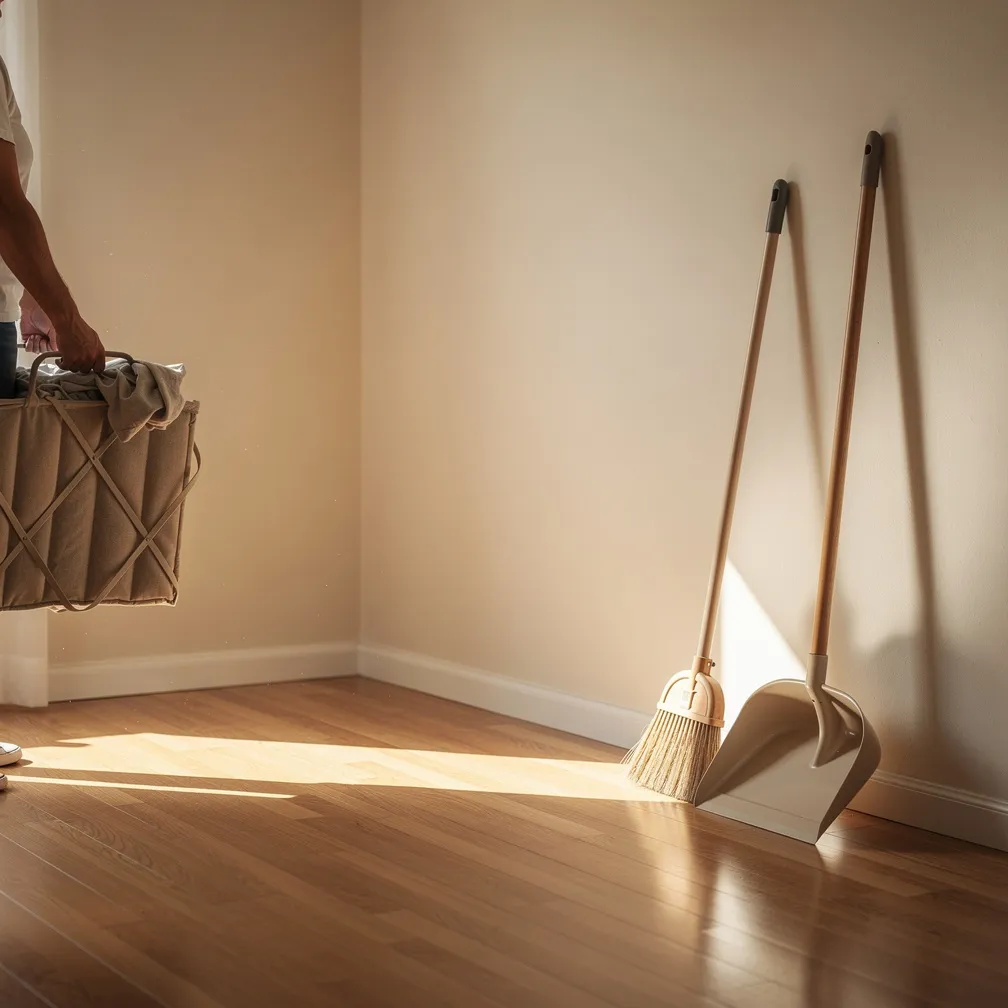
This is the boring step nobody wants to do. Do it anyway.
Most “empty” corners are not empty. They have a pile of laundry, a folded ironing board, a hamper, or boxes you’ve been meaning to deal with.
Pull everything out. Vacuum the floor. Wipe the baseboards.
You want to start with a clean slate so the new nook feels intentional, not crammed in. Designer Annie at Most Lovely Things calls this “shopping your house” before you buy anything. Walk around your home and look for chairs, side tables, lamps, and rugs you already own that could move to this corner.
You’d be surprised how often the perfect chair is sitting in the living room nobody uses.
Step 3: Choose Your Seat (The One Thing You Can’t Skip)
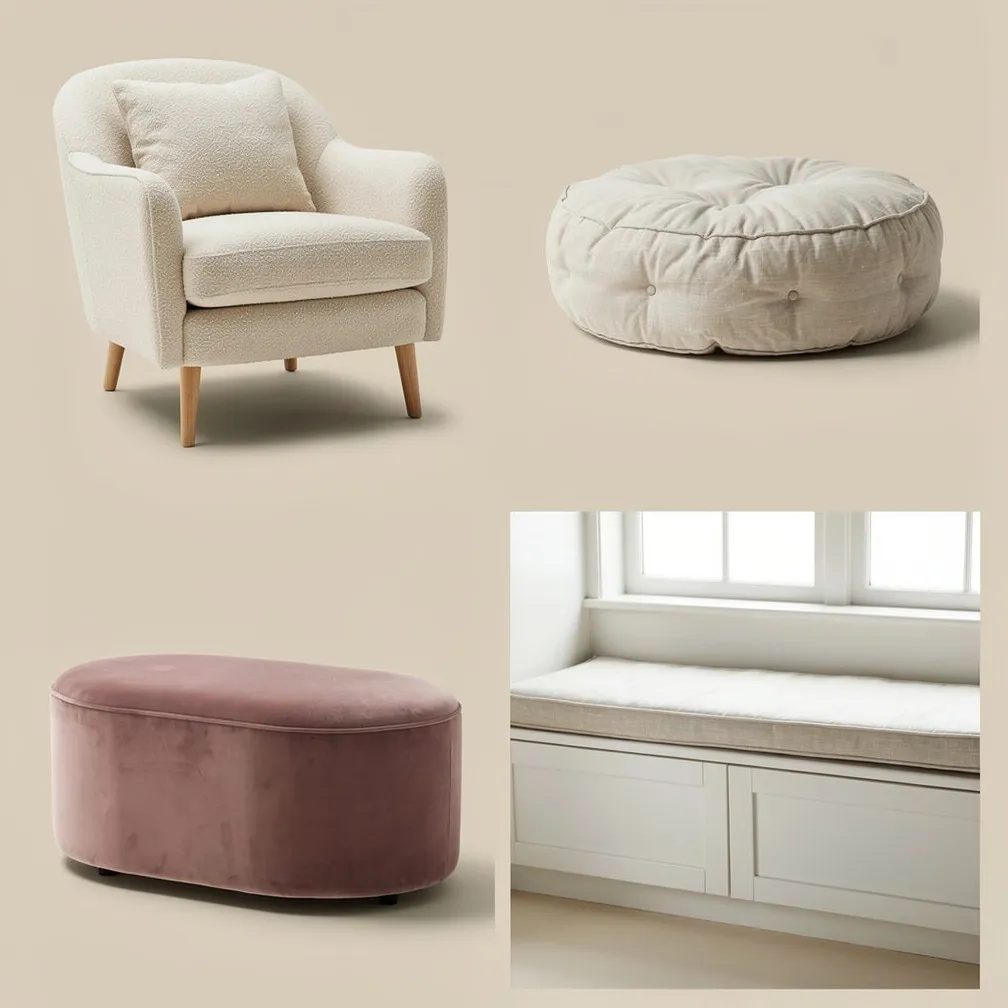
The chair is the heart of the nook. If you skip everything else and just put a great chair in a corner with a lamp, you’ve already won.
You have 4 options based on space and budget:
1. A small armchair. The classic choice. Look for a slipper chair or accent chair (no arms takes up less space). Boucle, velvet, and linen all work. IKEA’s Strandmon and Article’s Sven Birch are popular reading nook picks.
2. A floor cushion or bean bag. Best for renters, kids’ rooms, or super tight spaces. Pair it with a thick wool rug underneath. Total cost: under $80.
3. An oversized ottoman or pouf. Acts as a seat, footrest, or side table. Round ones soften a sharp corner.
4. A window seat (if you have a bay window). Add a thick cushion (3 to 5 inches) and you’re done. This is the holy grail of reading nooks.
Quick win: Test before you buy. Sit in any chair you’re considering for 20 minutes with a book. If your back hurts, skip it. Cute chairs aren’t reading chairs.
Step 4: Get the Lighting Right (Or Nothing Else Matters)
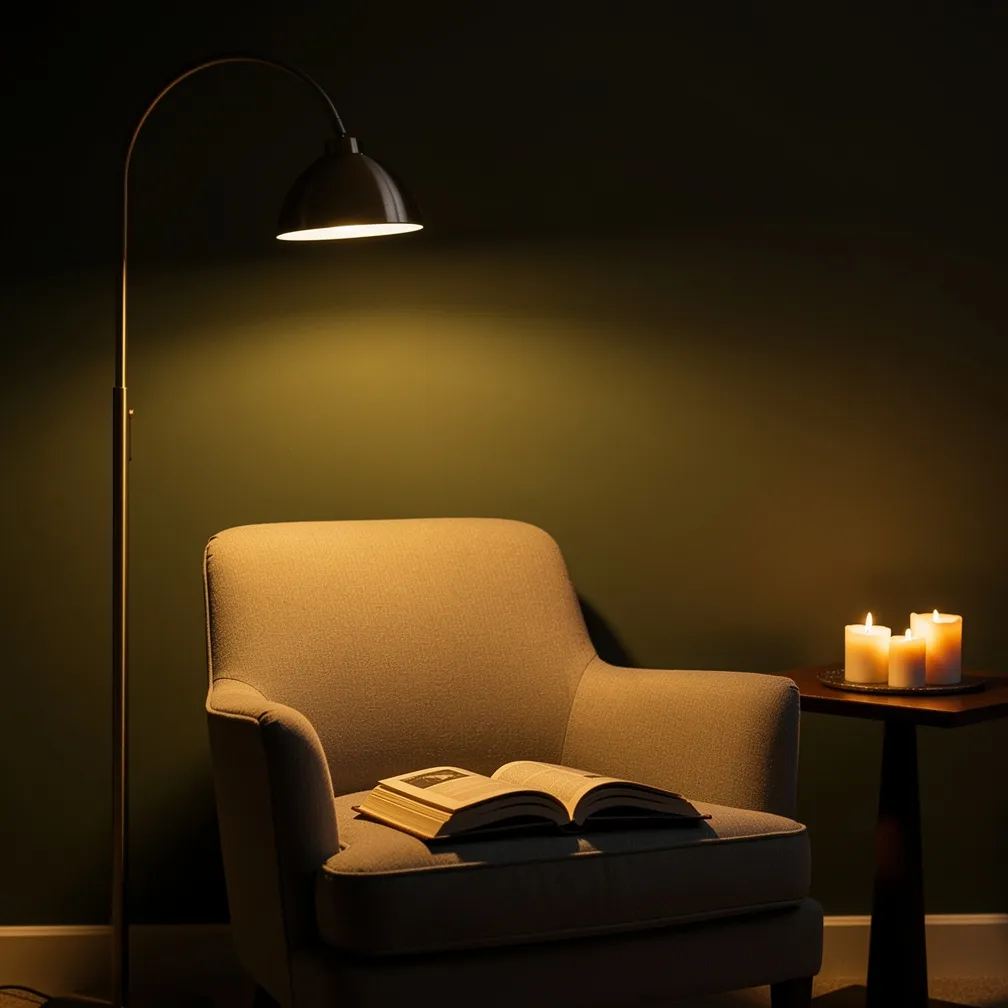
Here’s the part most reading nook guides get wrong: they tell you to use “soft, warm lighting” and stop there.
Let me give you the actual numbers.
You want light bulbs labeled 2700K to 3000K. This is the warm range that helps your eyes relax and tells your body it’s getting close to bedtime. The Sleep Foundation and Cleveland Clinic both back this. Anything above 4000K (cool white) keeps your brain in “daytime” mode and ruins the whole point.
You have 3 lighting options:
1. A floor lamp. Best for most nooks. An arched floor lamp curves over the chair so the light falls right on your book. Less than $80 on Wayfair or Target.
2. A wall sconce. Mounted next to or above the chair. Renters: plug-in versions need no drilling. Pottery Barn and Rejuvenation make great-looking plug-in sconces.
3. A small table lamp on a side table. Easiest setup. Just make sure the lamp is tall enough that the bottom of the shade is at eye level when you’re sitting down.
Quick win: Add string lights or a small LED candle for ambient glow. They don’t help you read, but they make the corner feel like a vacation rental.
Step 5: Add a Side Table (Bigger Than You Think You Need)
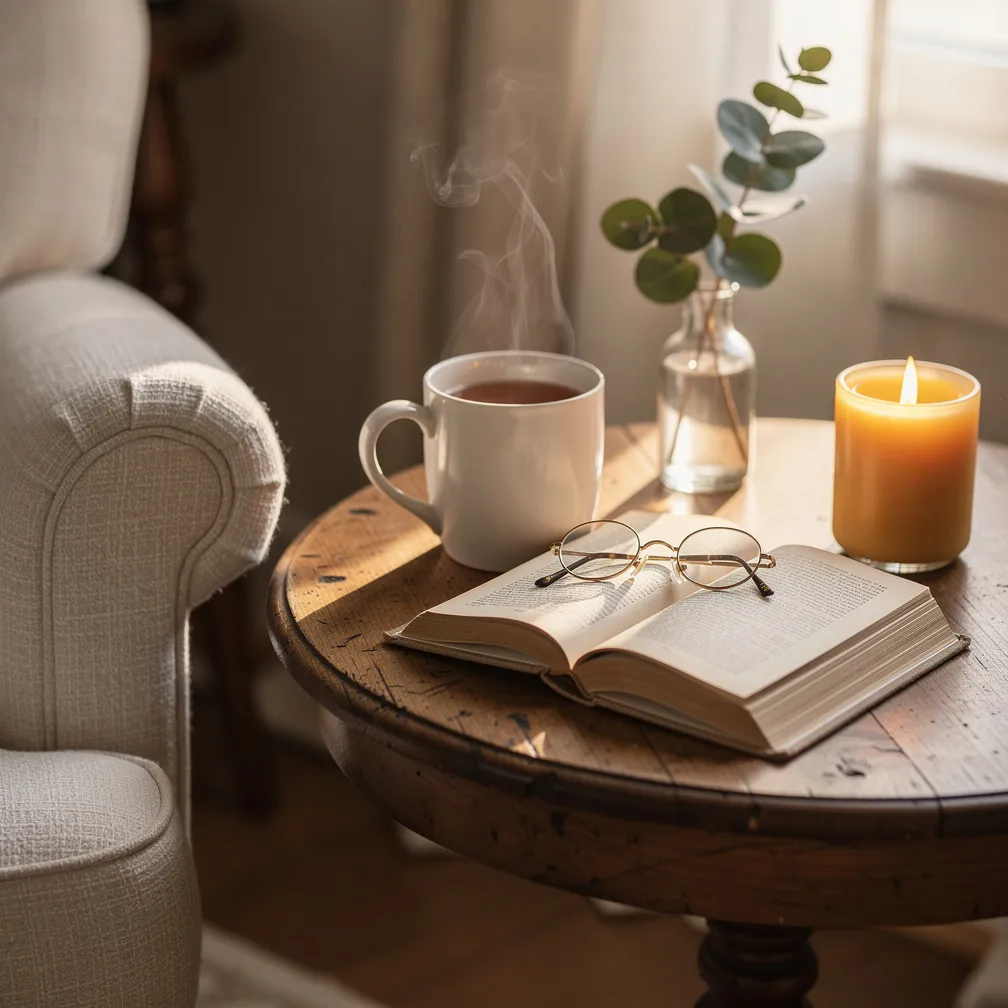
You need somewhere to set your tea, your phone, your book, and your reading glasses.
A side table or stool works. So does a stack of books with a small tray on top. Look for one that’s:
- About the same height as the chair arm (24 to 28 inches usually)
- At least 12 inches wide on top
- Easy to wipe (because tea spills)
Smart picks:
- A round wooden side table softens the corner.
- A C-table slides under the chair so the top hovers right over your lap. Great for tight spaces.
- A vintage stool from a thrift store. Costs $15 and adds personality.
If you only have room for the chair, mount a small floating shelf on the wall next to it. Same job, no floor space lost.
Step 6: Pile On the Textures (This Is the Cozy Part)
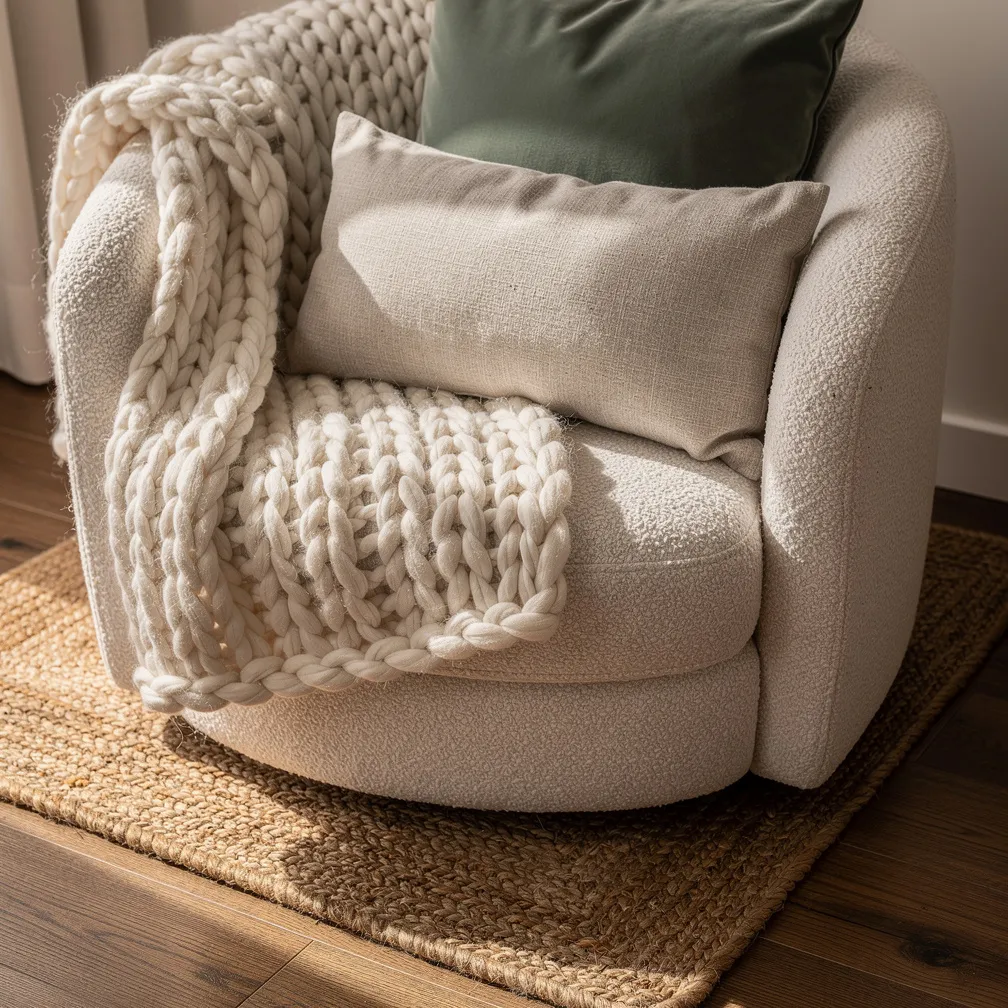
You know how hotel suites feel? It’s not the size. It’s the layers.
A reading nook needs at least 3 textures:
- A rug under the chair. Wool, jute, or shaggy. Even a small 3×5 rug works. It tells your brain “this is a separate zone.”
- A throw blanket draped over the chair. Knit, faux fur, or cotton waffle. Keep it folded over the arm so it’s ready to grab.
- 2 to 3 pillows. One lumbar pillow for back support, one or two decorative ones. Don’t go overboard. You need room to sit.
Use the same color family for all three (cream + camel + soft white, or cream + sage + olive). Mixing texture in one color family is what separates “cozy” from “cluttered.”
Step 7: Make Books Part of the Look
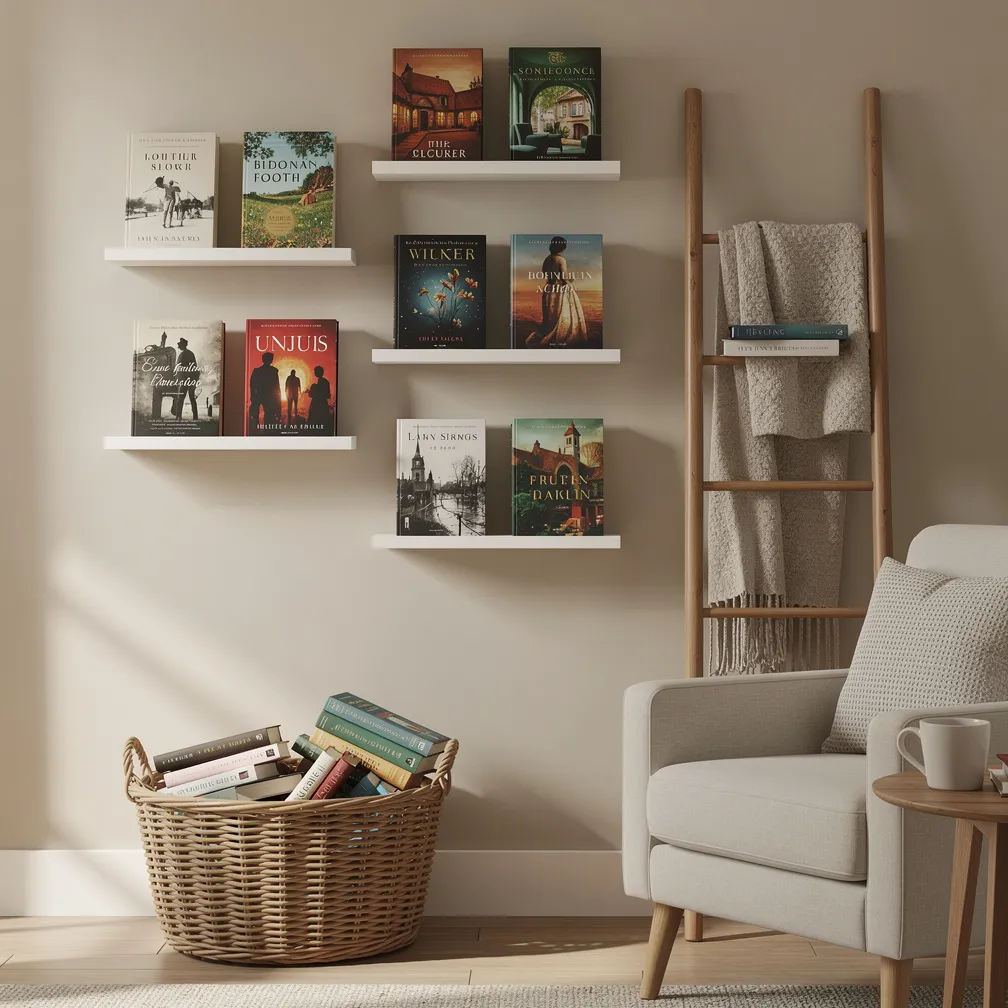
A reading nook without books is just a chair.
You need somewhere to put what you’re reading and what you’ll read next. Options from smallest to biggest:
- A book basket on the floor. Wicker, leather, or canvas. Holds 8 to 12 books.
- A wall-mounted picture ledge. IKEA Mosslanda costs $15 and holds about 20 books face-out, library style.
- A small bookshelf next to the chair. 2 or 3 shelves max. Use it as a side table too.
- A blanket ladder leaning in the corner. Drape books over the rungs alongside a throw.
Quick win: Always keep your current read on the side table, spine out, with your bookmark in it. It’s a visual cue that pulls you to the chair every time you walk by.
Step 8: Add One Personal Touch
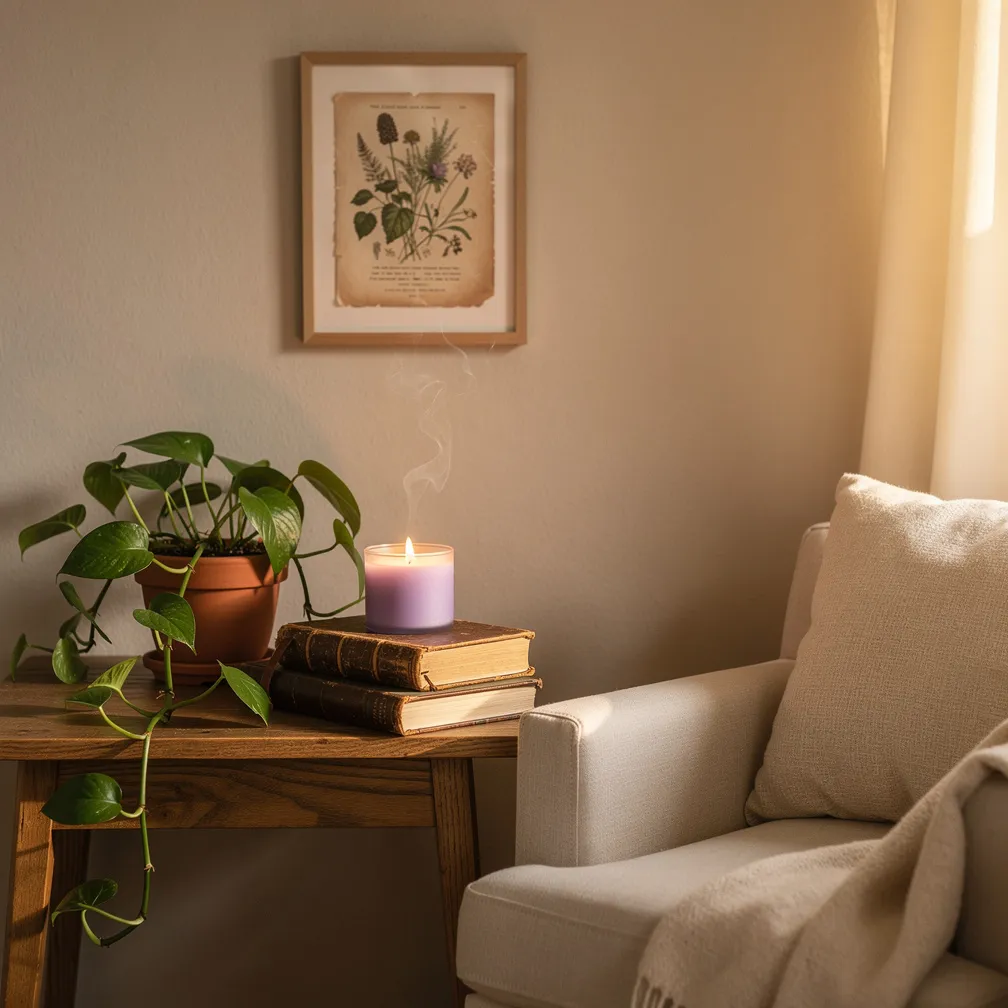
Pinterest reading nooks all start to look the same. Yours shouldn’t.
Pick one thing that makes the corner feel like you:
- A small piece of art on the wall (a print, a thrift store frame, or your own drawing).
- One trailing plant (pothos and philodendron are nearly impossible to kill).
- A framed photo from a trip.
- A vintage rug your grandmother gave you.
- A candle in a scent you actually love (lavender, cedar, or fig).
One personal touch is enough. Two is fine. Three is clutter.
A 2022 review of 20 sleep studies found lavender essential oil improved sleep quality in most participants, so if you read at night, a lavender candle does double duty.
Quick Checklist: Reading Nook in a Weekend
Here’s the full list, in order:
- Pick the brightest corner of your bedroom.
- Clear it out completely.
- Add a comfy chair or floor cushion.
- Plug in a lamp with a 2700K to 3000K bulb.
- Set up a side table (or floating shelf).
- Lay a small rug under the chair.
- Drape a throw blanket and add 2 pillows.
- Store books in a basket, ledge, or small shelf.
- Add one personal touch (art, plant, or candle).
- Sit down. Read for 20 minutes. Don’t get up.
Common Reading Nook Mistakes (Skip These)
A few things people get wrong that ruin the whole vibe:
- Putting it too close to the bed. It just becomes “bed extension.” Leave at least 3 feet of space.
- Using the overhead light only. Too bright and too harsh. Always add a dedicated lamp.
- Buying a chair you’ve never sat in. Test it first. Reading is sitting still for an hour, not 5 minutes.
- Skipping the rug. Without one, the nook never feels like its own zone.
- Treating it as decor only. A pretty corner you never actually sit in is wasted space.
Reading Nook Ideas for Tiny Bedrooms
If your bedroom is small (under 100 square feet), the standard advice doesn’t always fit. Try these instead:
- The foot-of-the-bed nook. A slim bench or ottoman + a basket of books + a floor lamp. Done.
- The closet conversion. Take the doors off a small closet, add a cushion inside, hang a sconce. Suddenly a hidden nook.
- The corner cushion. Just a thick floor cushion plus a wall-mounted shelf. Costs under $50.
- The window seat hack. No actual seat? Put a thick cushion on a low storage chest under the window.
Final Thought
A reading nook isn’t about Pinterest-worthy photos. It’s about giving yourself one spot in your bedroom that says “stop scrolling, slow down.”
Pick your corner this weekend. Move one chair. Buy one warm bulb. The rest can come over time.
You’ll start reading more within a week. That alone is worth it.
FAQ (Frequently Ask Questions)
How much space do I need for a reading nook in my bedroom?
About 4 feet by 4 feet is ideal, but you can fit a small one in as little as 3 feet by 3 feet using a floor cushion or slim chair.
What’s the best chair for a bedroom reading nook?
A small armchair, slipper chair, or accent chair under 30 inches wide. Test for back comfort before buying. Boucle, velvet, and linen are popular fabric choices for 2026.
Do I need a window for a reading nook?
No. Natural light is nice but not required. A floor lamp with a 2700K to 3000K warm bulb works just as well, especially for evening reading.
How do I make a reading nook on a budget?
Shop your house first. Use a chair you already own, a floor cushion, or an ottoman. Add one warm bulb ($4), a thrifted side table ($15), and a throw blanket. Total budget: under $50.
Can I create a reading nook in a rental?
Yes. Use plug-in sconces (no drilling), peel-and-stick wall hooks for art, and freestanding furniture. None of it needs to touch the walls permanently.